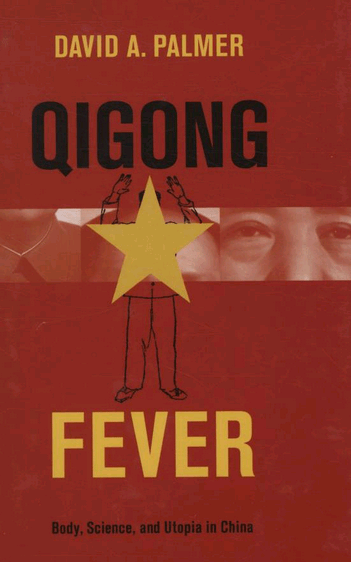
Catching Qigong Fever. I have read my fair share of books on religion in late imperial and modern China. Unfortunately I had been neglecting a classic. In 2007 David Palmer released a volume titled Qigong Fever: Body, Science and... Continue Reading →
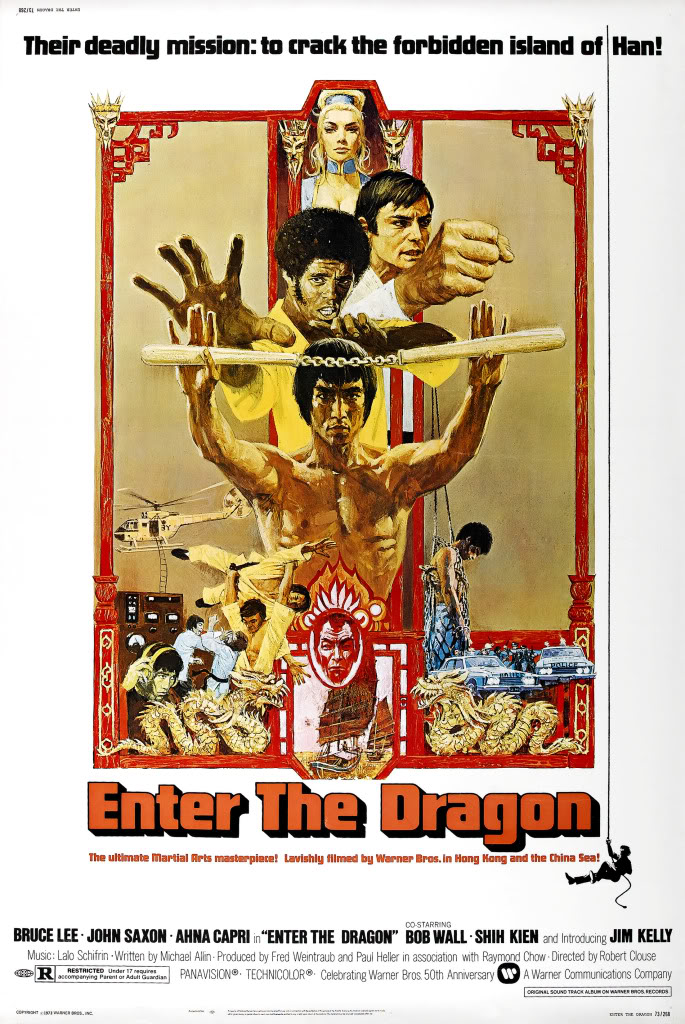
Introduction: Wing Chun and the Haters You do not have to be involved with the Chinese martial arts for very long to discover that Wing Chun has the potential to be a highly polarizing topic of conversation. Those within in... Continue Reading →

The Logic of Violence and its Relationship with the State My academic background and doctorate is in political science where I specialize in a sub-field called “international political economy.” That is where I have focused most of my teaching and... Continue Reading →

Introduction This is the third and final section of our review of Peter Lorge’s volume, Chinese Martial Arts: from Antiquity to the Twenty-First Century (Cambridge UP, 2012). In part one of this post we reviewed the development of Chinese martial... Continue Reading →

Introduction The “Book Club” is a semi-regular series of posts where we collectively read and review some of the most important works in the field of Chinese martial studies. My intent is to reproduce the same sort of seminar atmosphere... Continue Reading →

Introduction This is the third and final installment of our in-depth review of Meir Shahar’s groundbreaking work, the Shaolin Temple. Today we will be looking at the evolution of unarmed boxing in late Ming and Qing era China. I... Continue Reading →

Asian Martial Arts: Constructive thoughts & practical applications: The good, the bad and the ugly. I recently received my issue of Asian Martial Arts: Constructive thoughts & practical applications, edited by Michael A. Demarco. So far I have only read... Continue Reading →
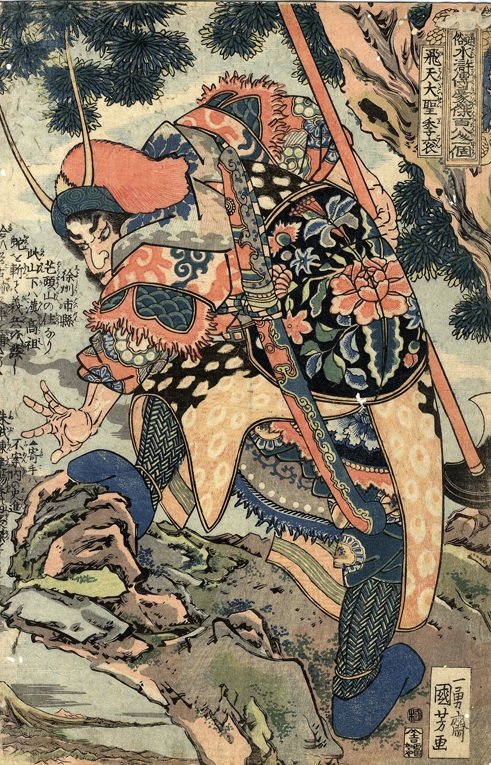
Are the Asian Martial Arts Inevitable? I suspect that students of Chinese martial studies are overlooking one of the most perplexing, interesting and possibly illuminating questions that our field can ask. We spend so much time recording, studying and theorizing... Continue Reading →

I have a long standing interest in the biographies of martial artists and am constantly amazed to see the different ways in which these practices are manifest in an individual’s life. It is also the case that their stories are... Continue Reading →
 Kung Fu Tea
Recent Comments