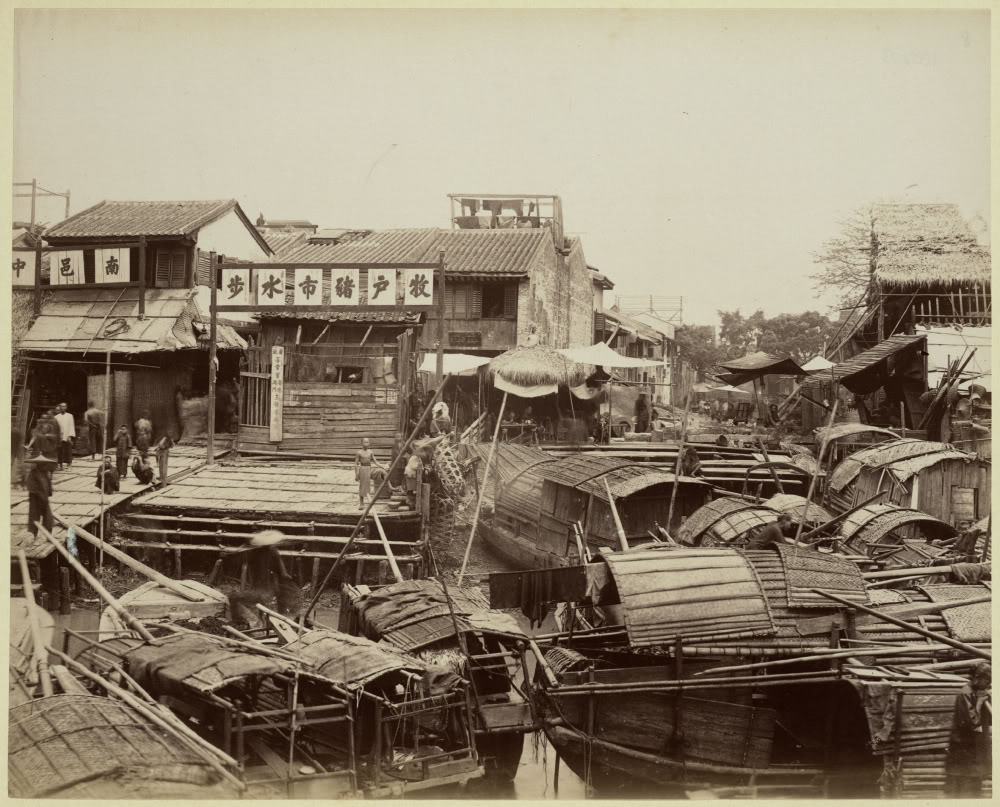
Chan Wah Shun and his Place in the Modern Wing Chun Community. One of the biggest problems in researching the history of the martial arts is the martial artists themselves. They love their styles (or the businesses that they support)... Continue Reading →

Tao Te Ching, Chapter Thirty-three: Knowing others is wisdom; Knowing the self is enlightenment. Mastering others requires force; Mastering the self needs strength. He who knows he has enough is rich. Perseverance is a sign of willpower. He who stays... Continue Reading →
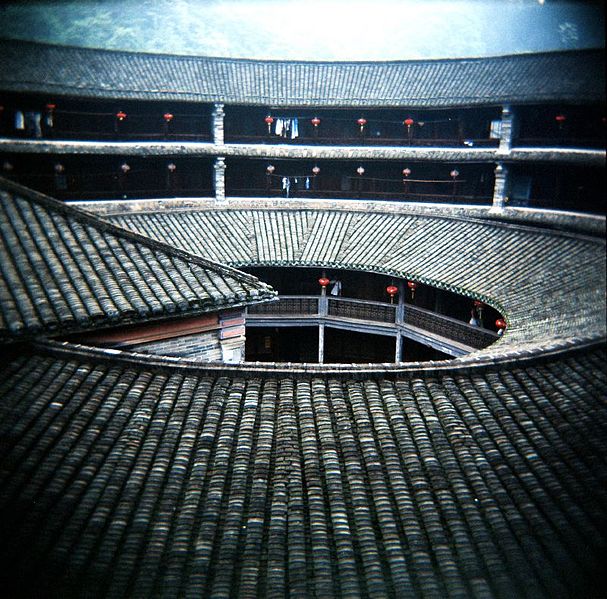
Categorizing the Martial Arts of Southern China As I have discussed here, there are a number of different ways that one can conceptualize the traditional martial arts of Guangdong province and the Pearl River delta. One of the more... Continue Reading →
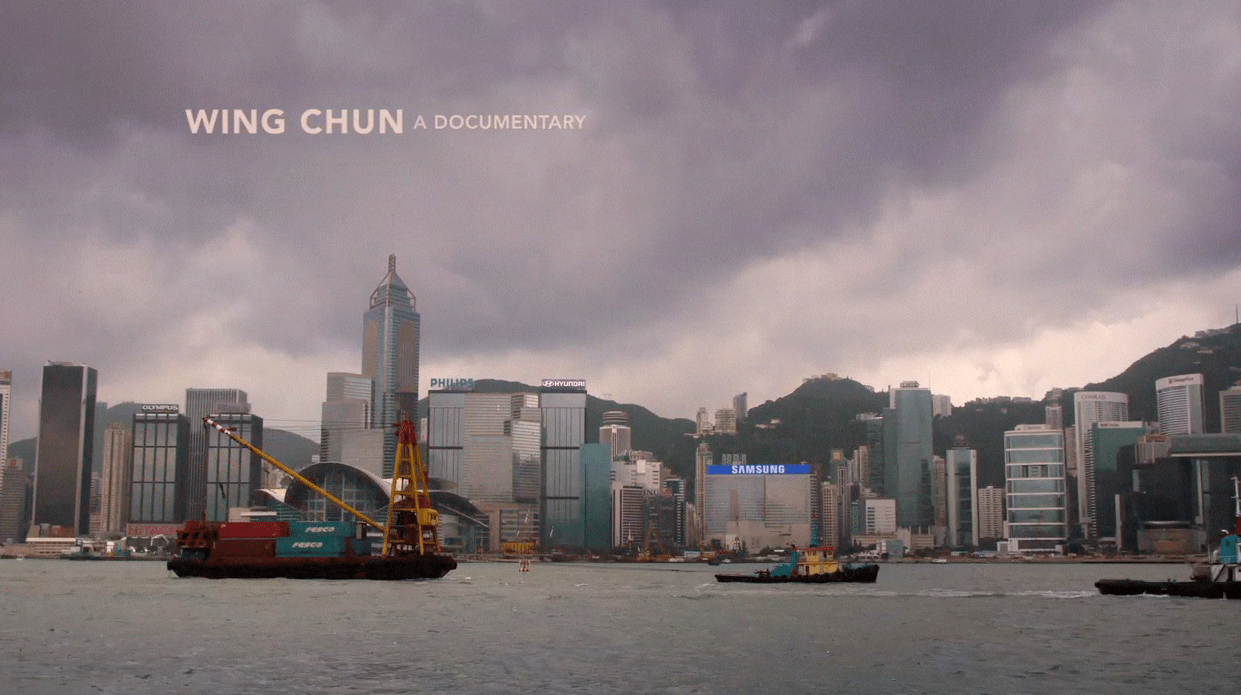
Empty Mind Films has produced some of the highest quality and most engaging martial arts documentaries seen anywhere in the last few years. They are a small organization, and as a result they are selective about the projects they take... Continue Reading →

Stanley Henning: Yongchun, Baihe and Wing Chun Boxing In issue #38 (Vol. 2 No. 15) of Classical Fighting Arts Stanley Henning published a wide-ranging paper entitled “Thoughts on the Origins and Transmission to Okinawa of Yongchun Boxing.” (pp. 42-47). Henning... Continue Reading →
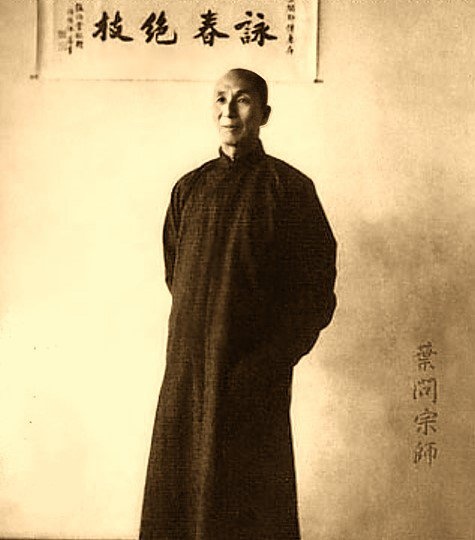
Many of the debates in the Wing Chun world today focus on the question of lineage. People want to know which expression of Wing Chun best captures its essential essence? Which is truly “authentic”? Often it is assumed that authenticity... Continue Reading →
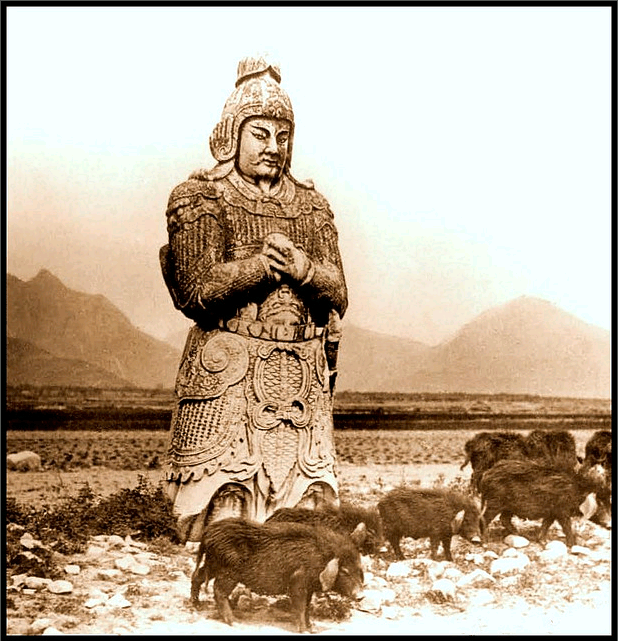
One of the most iconic images in the annals of Kung Fu training is that of the lone student, lost in the zen-like practice of his wooden dummy routine. Dummies of various sorts and sizes have a long history in... Continue Reading →
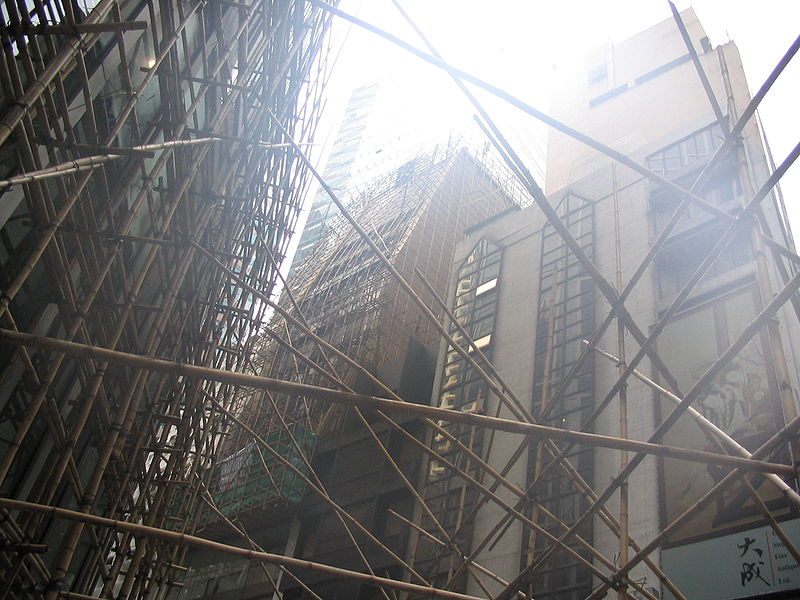
We have an issue in the field of Chinese martial studies, and it tends to be more concentrated in the historical arguments. Our problem is “common sense.” It seems that in our discussions what “everyone says” quickly becomes “what no... Continue Reading →
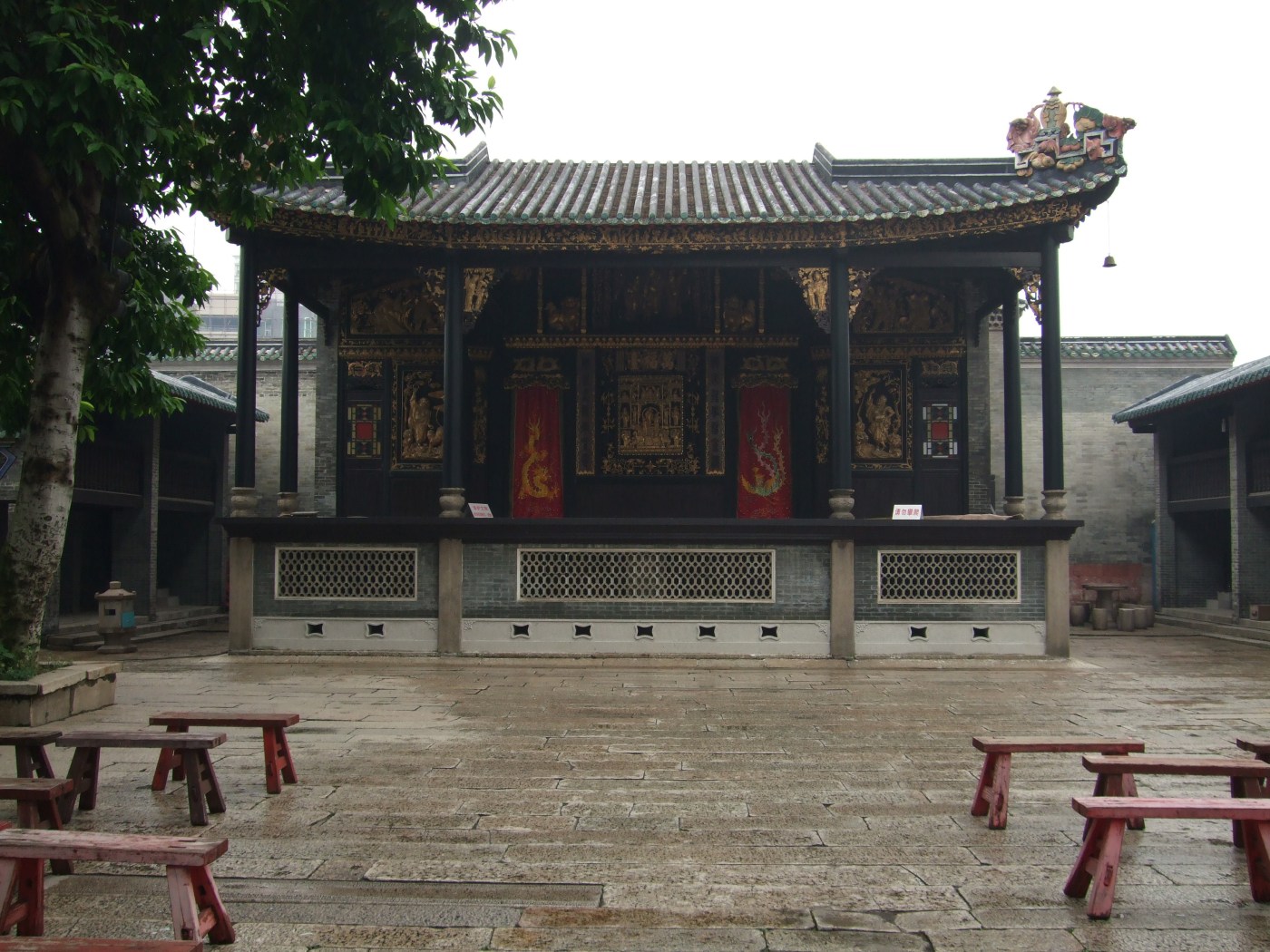
The 1850s were a bad time to live in Guangdong. As a matter of fact, it would have been better for one to avoid the entire second half of the 19th century if one could arrange it. Multiple rounds of... Continue Reading →
 Kung Fu Tea
Recent Comments