
Introduction Classification remains one of our central problems in the study and analysis of the traditional Chinese martial arts. When thinking about the origin and relationship of these fighting systems most efforts begin with an attempt to create groups of... Continue Reading →
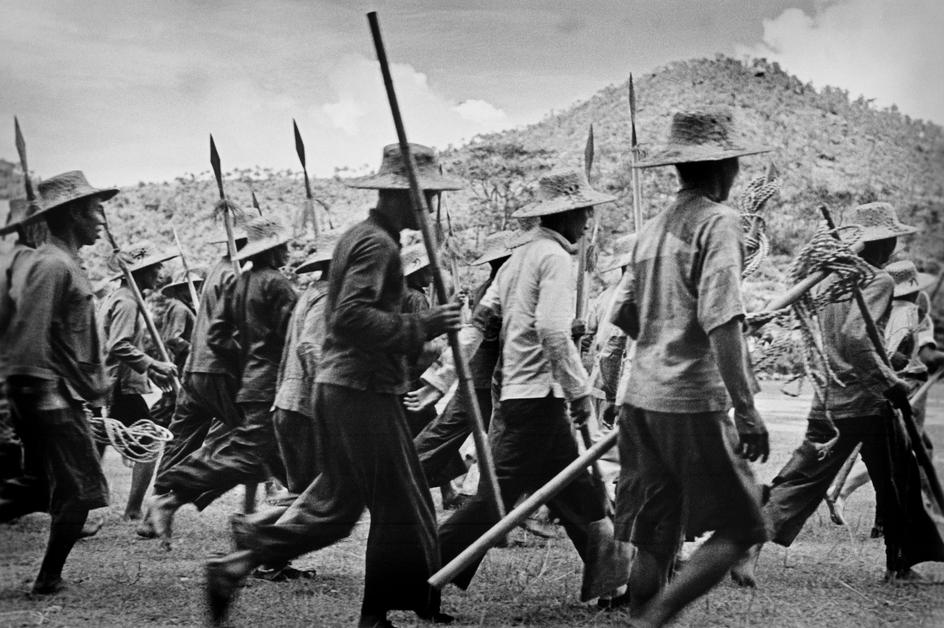
Introduction: The Martial Arts and National Identity in the Popular Imagination While few people can really claim to be experts in either the history or practice of the martial arts, the last six decades of popular culture have given most... Continue Reading →
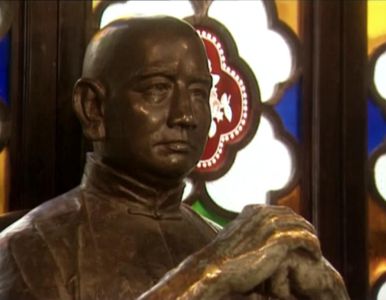
****We recently completed the "500 Likes" challenge at the Kung Fu Tea Facebook group. As a result I let the readers vote on what two articles they would most like to see covered. There were a lot of good suggestions... Continue Reading →

Introduction Vintage postcards are fascinating because they capture a dual image. On the surface they present a simple picture of a notable location, individual or native custom. Some of these images are historically important and you can occasionally glean a... Continue Reading →

Introduction: Becoming Invulnerable in Southern Mantis Kung Fu The traditional Chinese martial arts are rich in animal symbolism. Tigers, dragons, cranes, snakes and monkeys are common fixtures in the legends and folklore of these systems. Some styles are imitative in... Continue Reading →
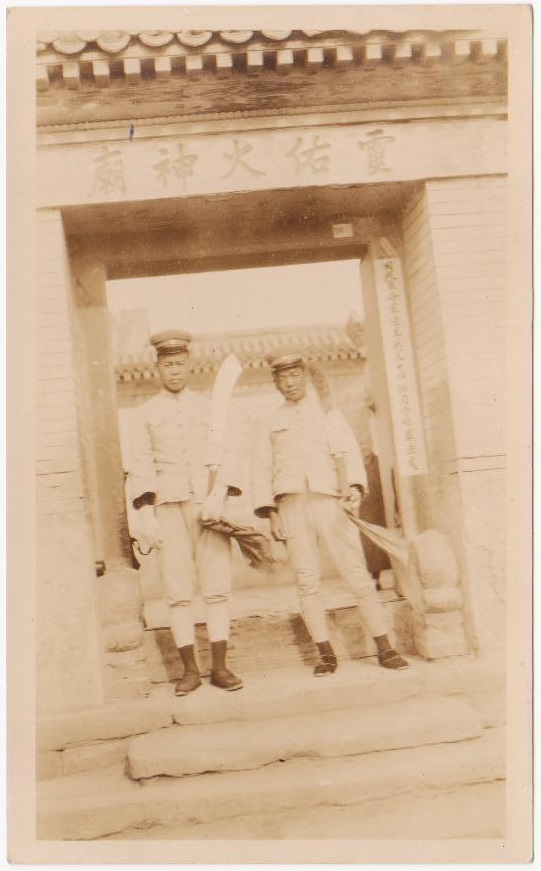
Introduction: Anti-Foreignism in Republican Guangdong Students of the traditional Chinese martial arts are frequently reminded that until very recently these systems were “closed” to outsiders. Then, in the wake of Bruce Lee, Kung Fu masters around the world decided... Continue Reading →
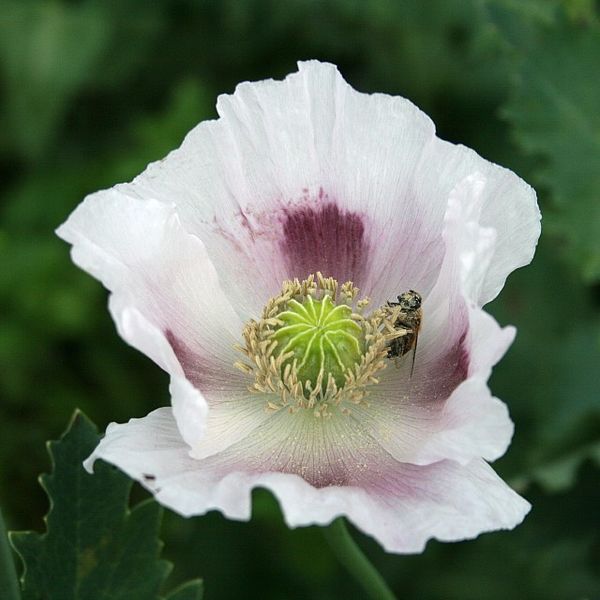
Introduction: Wu Song Beats the Tiger One of the fascinating, yet also frustrating, aspects of Chinese popular culture is the facility with which it generates rich new vocabularies to describe the everyday minutia of life. In some areas, most famously... Continue Reading →
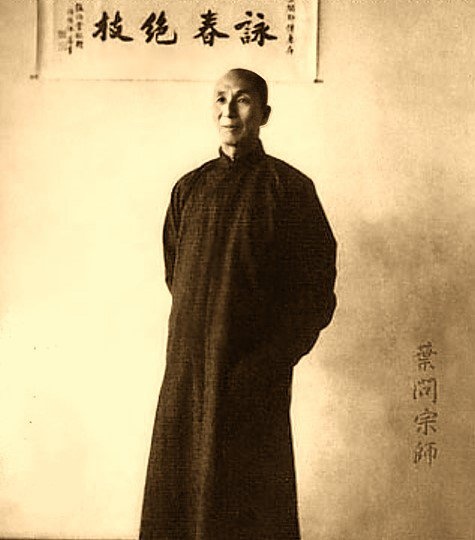
(**This article was originally posted under the title "The Wing Chun Jo Fen" in May of 2014. Co-authorship credit for this post goes to my Sifu, Jon Nielson. This post grew out of a conversation that we had about the... Continue Reading →
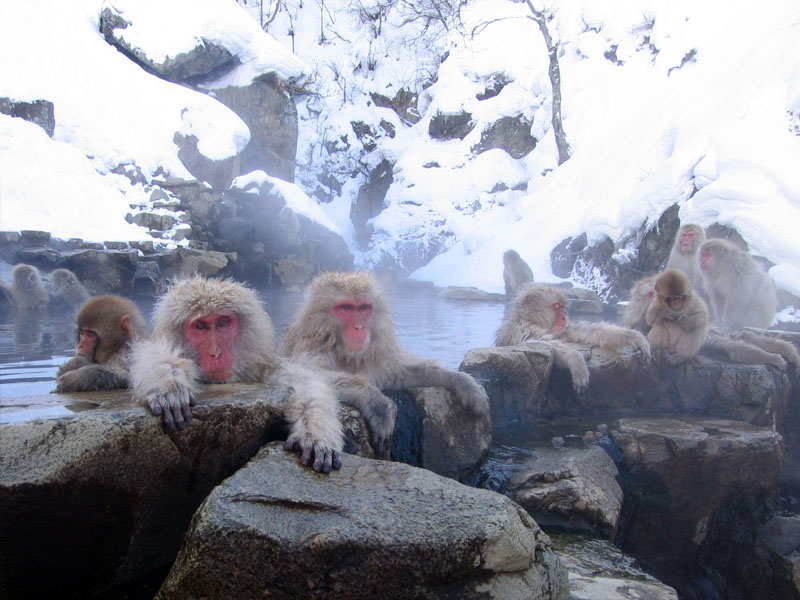
Introduction At first individuals like Sun Lutang, Chan Wah Shun, Mok Kwai Lan, Li Pei Xian and Cheung Lai Chuen would not seem to have much in common aside from their love of the martial arts. Collectively they hail both... Continue Reading →
 Kung Fu Tea
Recent Comments