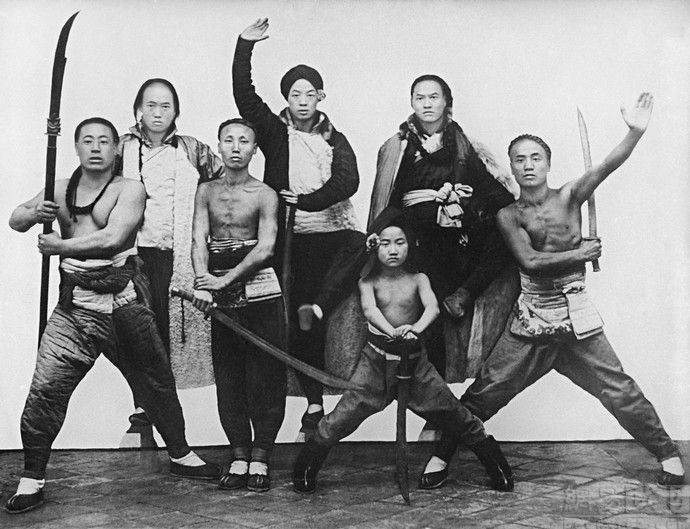
Introduction The old adage states that a picture is worth a thousand words. After having reviewed hundreds of potential images for this series of posts, and writing over a dozen entries, I can now state with some certainty that this... Continue Reading →

Introduction: Archery and the Traditional Chinese Martial Arts I have recently been reading Stephen Selby’s book Chinese Archery (2000, Hong Kong University Press). It is a very important contribution to the Chinese martial studies literature and one of the few... Continue Reading →

Introduction It is dangerous to make sweeping statements about the development of the traditional Chinese martial arts during the early 20th century. This was an important period for the hand combat community. Between 1900 and 1949 the complex of behaviors... Continue Reading →
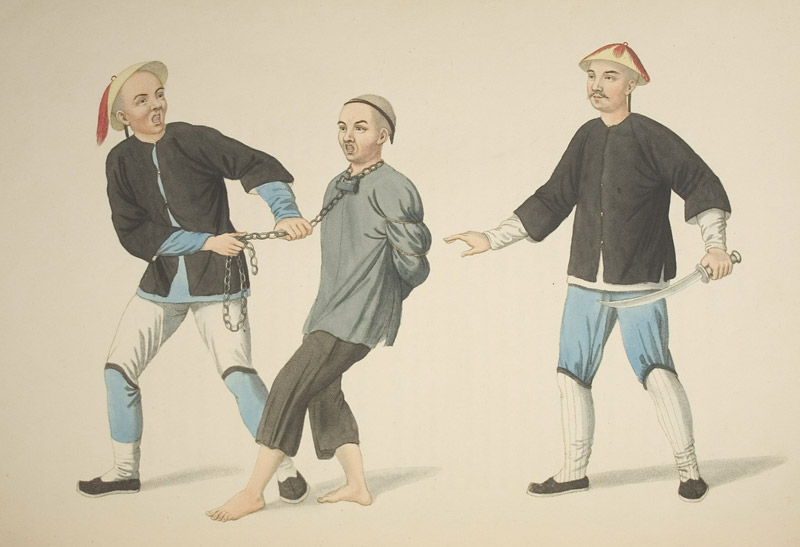
***Update*** (I recently found another old photograph that goes very well with this post. It shows an official riding a horse as part of procession in pre-1911 Shanghai. I have added it below with some additional comment.) Introduction: Romanticizing and... Continue Reading →
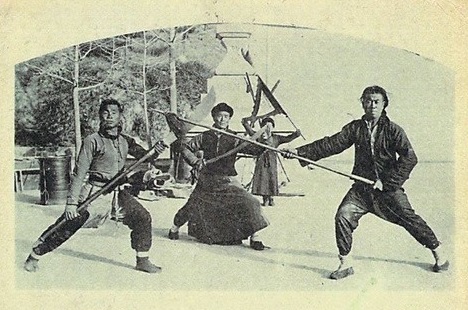
Introduction: Addressing a Difficult Subject No topic is more difficult to approach than the varied roles that traditional Asian fighting systems have played in defining and strengthening nationalism during the 20th century. Governments in Japan, China and later Korea all... Continue Reading →
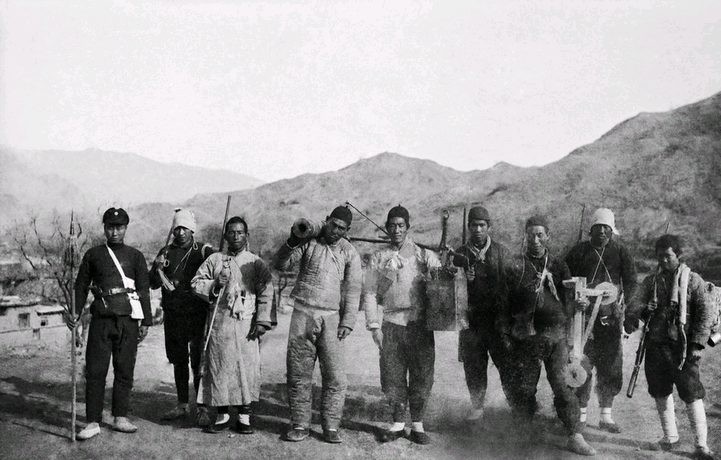
Introduction I recently came across a very interesting photograph. It was taken by the important (if under-appreciated) combat photographer Sha Fei sometime between 1938 and 1940. At that point in time he was documenting the progress of the 8th Route... Continue Reading →
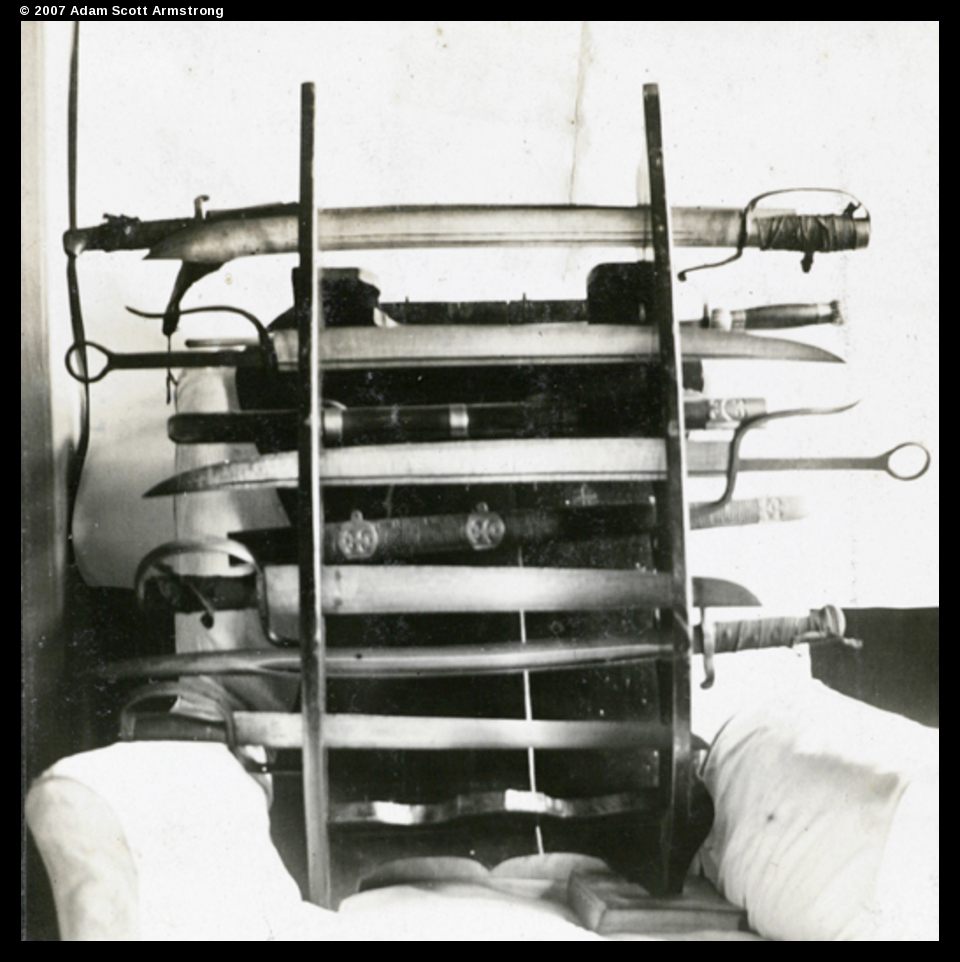
Introduction: Practical Martial Arts in the Age of the Gun As I have mentioned elsewhere, when thinking about the traditional Chinese martial arts we have a tendency to assume that these systems were created in an era without firearms. ... Continue Reading →

Introduction: The Butterfly Swords and Southern Martial Arts Defend the Nation I recently ran across two photographs that I think students of the southern Chinese martial arts may find very enlightening. They speak to interesting tactical and cultural questions. On... Continue Reading →
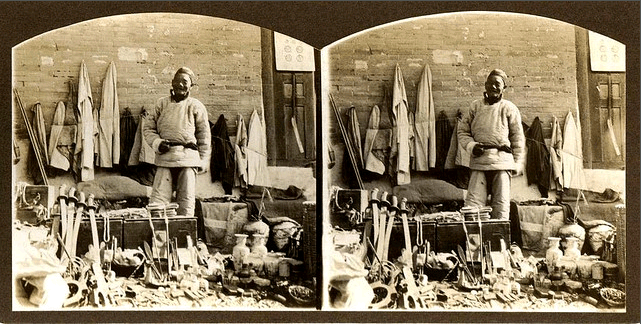
Introduction: Exploring the martial marketplace. It is clear that the traditional Chinese martial arts, as practiced in the Qing dynasty, were many things to many people. Still, for most of their practitioners they were first and foremost an economic resources. ... Continue Reading →
 Kung Fu Tea
Recent Comments