Introduction Here is a second post from the Kung Fu Tea archives. This post was originally published on September 5th, 2012. That was still in the first few months of the blog, well before I had started to establish any... Continue Reading →
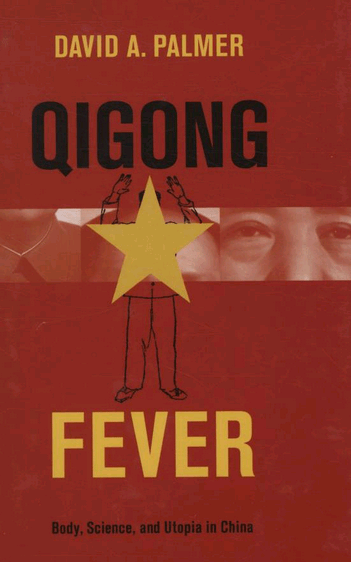
Catching Qigong Fever. I have read my fair share of books on religion in late imperial and modern China. Unfortunately I had been neglecting a classic. In 2007 David Palmer released a volume titled Qigong Fever: Body, Science and... Continue Reading →

Introduction This is the third and final installment of our in-depth review of Meir Shahar’s groundbreaking work, the Shaolin Temple. Today we will be looking at the evolution of unarmed boxing in late Ming and Qing era China. I... Continue Reading →

Introduction: The only Star Wars post on WordPress this week not about Disney or Lukas. Admit it, you have all done it. At one point or another each of you has looked at your Sifu or Sensei and thought “Its... Continue Reading →

Martial Arts and Globalization in late 19th and early 20th century China. In my previous post I proposed a framework for using globalization and the liberalization of China’s economy in the 1980s and 1990s to understand the progressive “medicalization” of... Continue Reading →

Why Does Chinese Martial Studies Need Globalization? In a previous post I asked whether “globalization,” understood as the increased movement of capital, goods, people and ideas through networks divorced from the traditional state, is having an impact on the traditional... Continue Reading →

Defining Neijia Not knowing any better, one might think that there is a social hierarchy in the Chinese martial arts. In the world of popular (or folk) styles there are a variety of schools and approaches. Some of the most... Continue Reading →
 Kung Fu Tea
Recent Comments