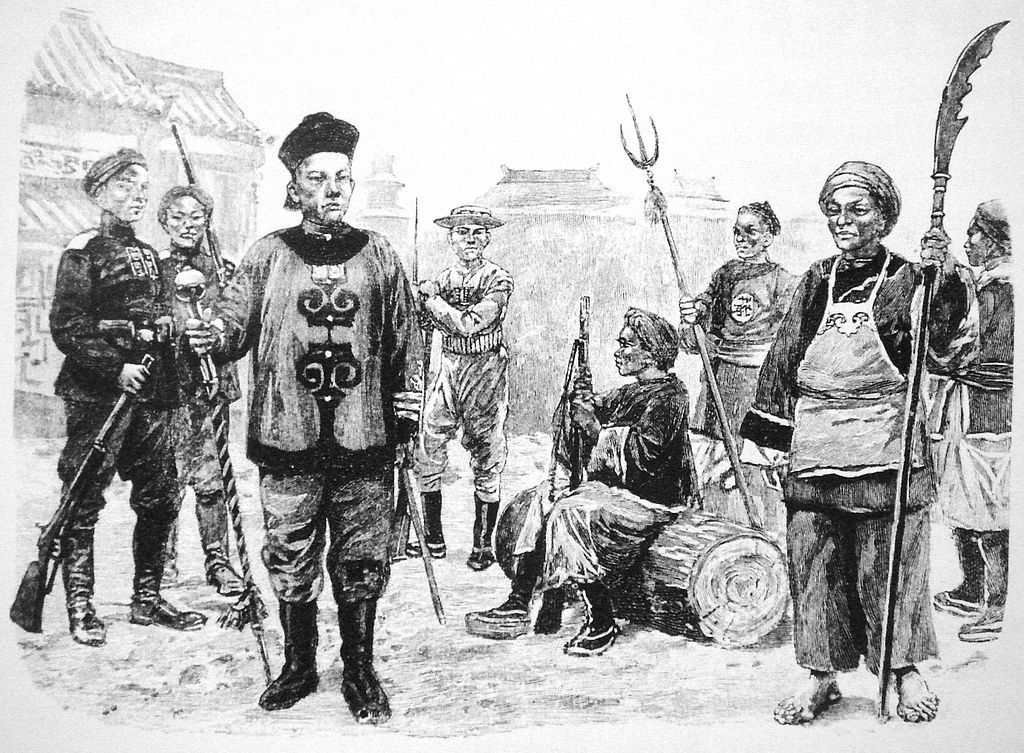
Introduction I was recently having a conversation with T. W. Smith who runs the Kung Fu Podcast. He was developing an idea for a show and asked me what five specific moments did the most to transform... Continue Reading →
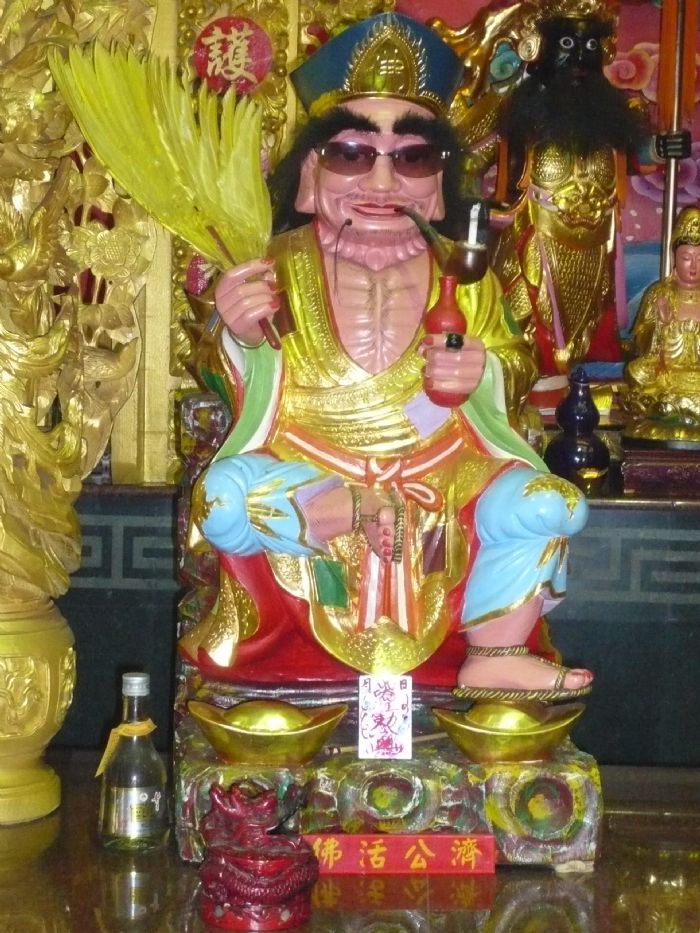
Guo Xioting. Trans. John Robert Shaw. Adventures of the Mad Monk Ji Gong. Rutland VT: Tuttle. 2014. 542 Pages. Introduction: Meeting Crazy Ji Inscription on the Sarira Relics of the Recluse from the Lake, Elder Fangyuan (Square-Circle), Jidian (Crazy Ji)... Continue Reading →

Introduction I was recently exchanging emails with a martial arts instructor and reader who suggested that I address the historical facts behind the “Bodhidharma myth.” This is a critical topic for anyone interested in either the historical or cultural... Continue Reading →
By Stanford Chiou This post is my contribution to the recent discussion at Kung Fu Tea on the place of theory in martial studies (see here and here). There is no escaping the assumptions—or “theories”—on which perspectives are built, and... Continue Reading →

Introduction As I mentioned over at the Facebook group, I need to take a week off from Kung Fu Tea. My father, who is also a college professor, is recovering from surgery and has asked to me cover some of... Continue Reading →
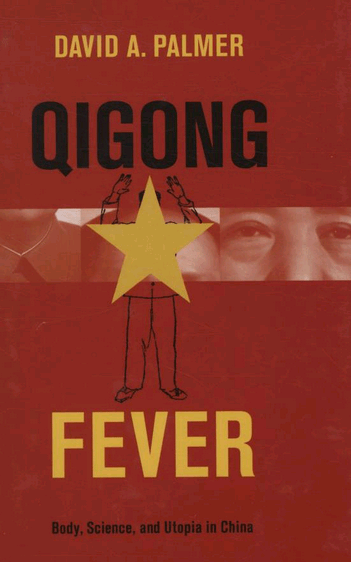
Catching Qigong Fever. I have read my fair share of books on religion in late imperial and modern China. Unfortunately I had been neglecting a classic. In 2007 David Palmer released a volume titled Qigong Fever: Body, Science and... Continue Reading →

Introduction This is the third and final section of our review of Peter Lorge’s volume, Chinese Martial Arts: from Antiquity to the Twenty-First Century (Cambridge UP, 2012). In part one of this post we reviewed the development of Chinese martial... Continue Reading →
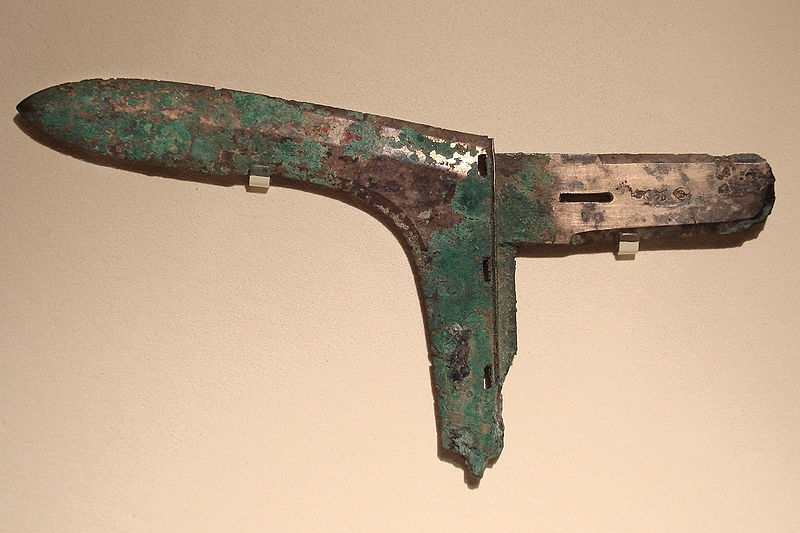
Introduction: A Breakthrough for the Field of Chinese Martial Studies. The “Book Club” is a semi-regular feature at Kung Fu Tea in which we collectively read and discuss important works in the fields of martial studies, history or the... Continue Reading →

Introduction This is the third and final installment of our in-depth review of Meir Shahar’s groundbreaking work, the Shaolin Temple. Today we will be looking at the evolution of unarmed boxing in late Ming and Qing era China. I... Continue Reading →
 Kung Fu Tea
Recent Comments