
"For sheer contentiousness, the Zhang Sanfeng case can only be compared to the issue of racism, abortion and homosexuality in American culture. At the dawn of the 21st century, the pendulum has once again swung towards the myth-makers. Western... Continue Reading →

Wang Guangxi. 2012. Chinese Kung Fu. Cambridge University Press. 115 pages. Introduction The prestigious Cambridge University Press published not one but two books on the topic of the Chinese martial arts in 2012. Most students of martial studies will already... Continue Reading →

Introduction No assertion is more fervently advanced on behalf of the traditional Asian martial arts than assurances of their great antiquity. The relative ages of these systems seems to have become a matter of increased discussion and competition in... Continue Reading →
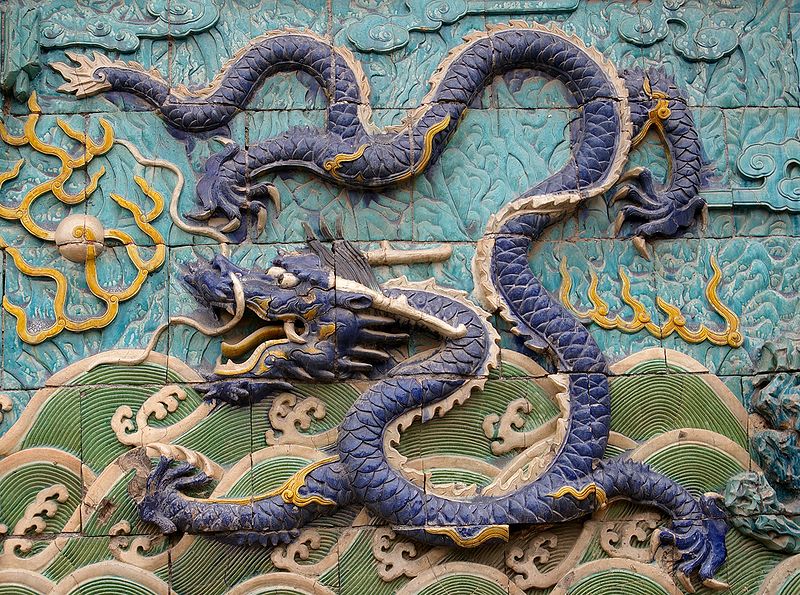
by Esther Berg Introduction: More on Theory and Martial Arts Studies Here comes yet another reader response to the debate on ‘theory’ in Martial Arts Studies. To shortly summarize the state of discussion: In 2011, D. J. Farrer and John... Continue Reading →
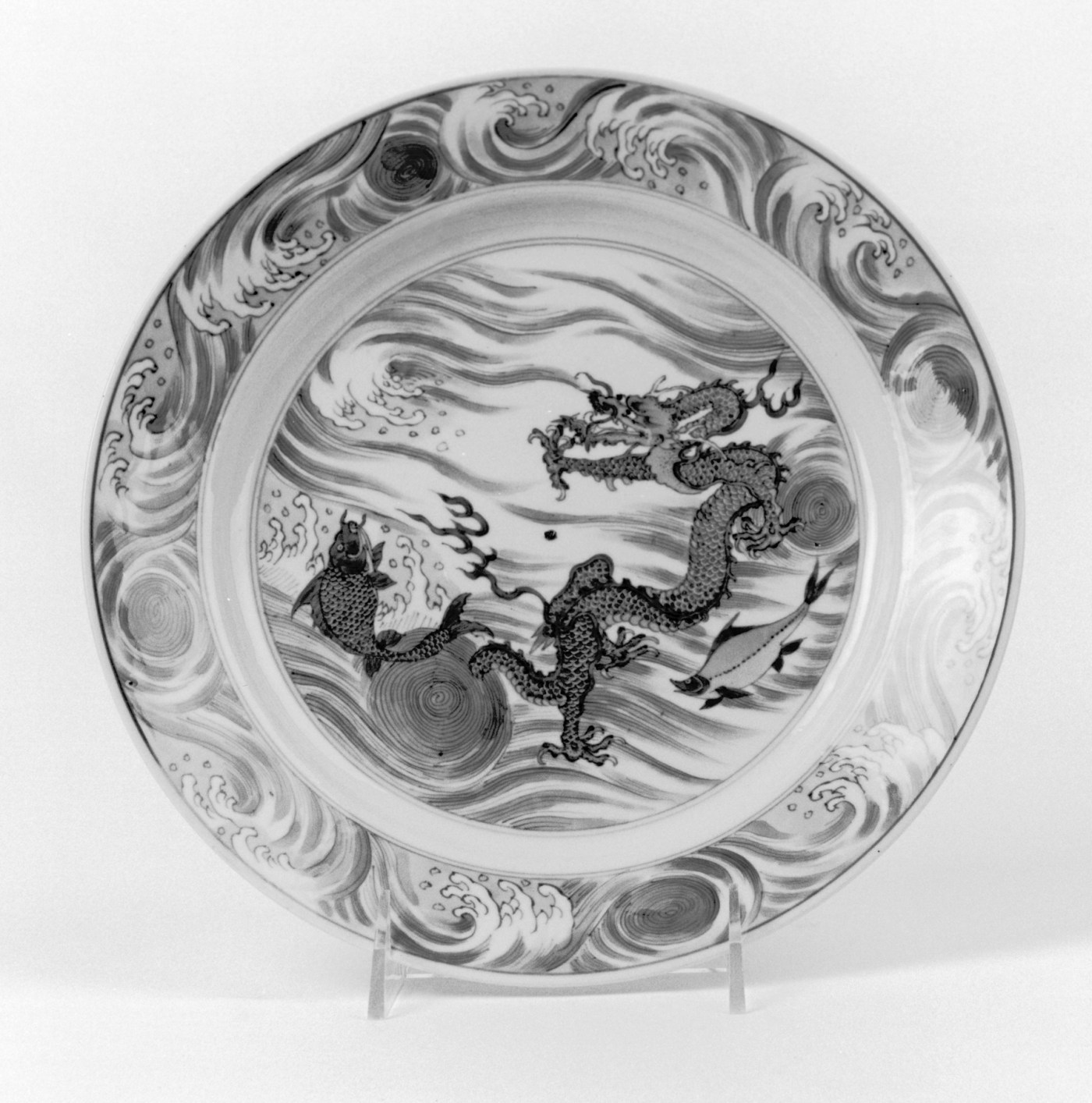
By Stanford Chiou This post is my contribution to the recent discussion at Kung Fu Tea on the place of theory in martial studies (see here and here). There is no escaping the assumptions—or “theories”—on which perspectives are built, and... Continue Reading →

Alex Channon and George Jennings. 2014. “Exploring Embodiment through Martial Arts and Combat Sports: A Review of Empirical Research.” Sport in Society (February). Introduction: Why study embodiment in the Asian martial arts? One of the major trends that we have... Continue Reading →

Introduction: Becoming Invulnerable in Southern Mantis Kung Fu The traditional Chinese martial arts are rich in animal symbolism. Tigers, dragons, cranes, snakes and monkeys are common fixtures in the legends and folklore of these systems. Some styles are imitative in... Continue Reading →
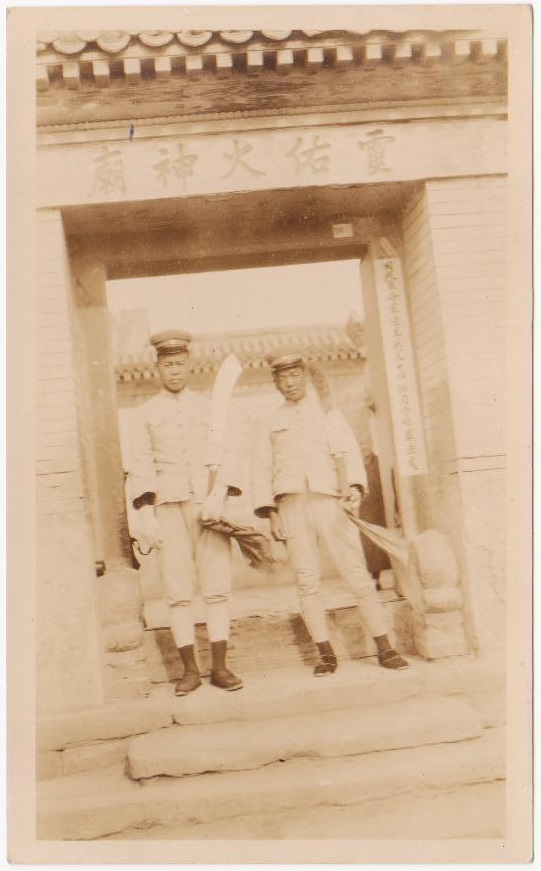
Introduction: Anti-Foreignism in Republican Guangdong Students of the traditional Chinese martial arts are frequently reminded that until very recently these systems were “closed” to outsiders. Then, in the wake of Bruce Lee, Kung Fu masters around the world decided... Continue Reading →

Introduction Welcome to our second annual discussion of the top webpages in Chinese martial studies. The purpose of this series is to acknowledge some of the individuals who have made great contributions to our understanding of the traditional martial arts... Continue Reading →
 Kung Fu Tea
Recent Comments