
***For today's post we are headed back to the archives. I am becoming more interested in the ways that the traditional martial arts have been promoted by the Chinese government as a means of generating "soft power" within the realm... Continue Reading →
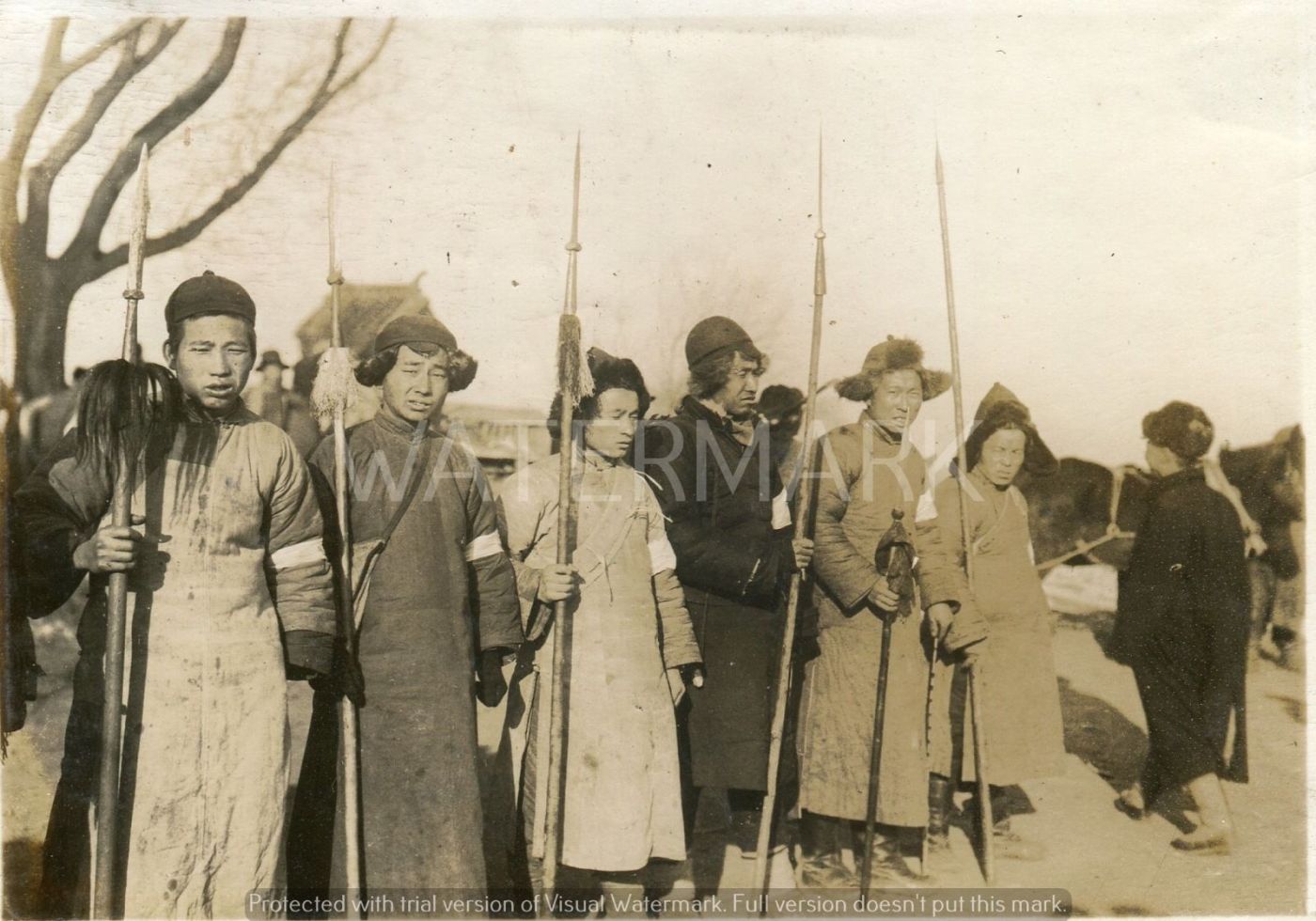
Through a Lens Darkly In this occasional series I turn to photographs, postcards, slides or other forms of ephemera both as a source of information about the Chinese martial arts and as a witness to the many... Continue Reading →

Introduction Consider the following, seemingly unrelated, incidents: While conducting field work in Sioux City Iowa in 1862 the lawyer and self-trained ethnographer Lewis Henry Morgan received a telegraph informing him that his two daughters, ages two and six,... Continue Reading →

Introduction Welcome to “Chinese Martial Arts in the News.” This is a semi-regular feature here at Kung Fu Tea in which we review media stories that mention or affect the traditional fighting arts. In addition to... Continue Reading →

Meir Shahar. “Diamond Body: The Origins of Invulnerability in the Chinese Martial Arts” in Perfect Bodies: Sports Medicine and Immortality, Edited by Vivienne Lo. London: British Museum, 2012. Introduction: The Significance of Invulnerability in the Chinese Martial Arts... Continue Reading →

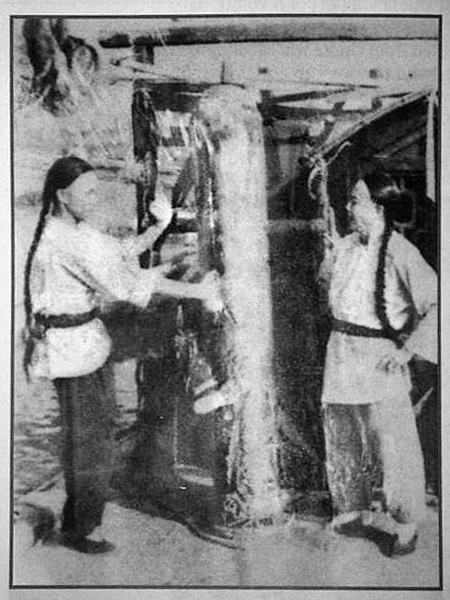
Warning: Speculation Ahead No topic surrounding Wing Chun elicits more interest than its deep historical origins. Did the art really originate at the southern Shaolin Temple? Was it connected to late Qing revolutionary groups? Did Leung Jan actually learn... Continue Reading →
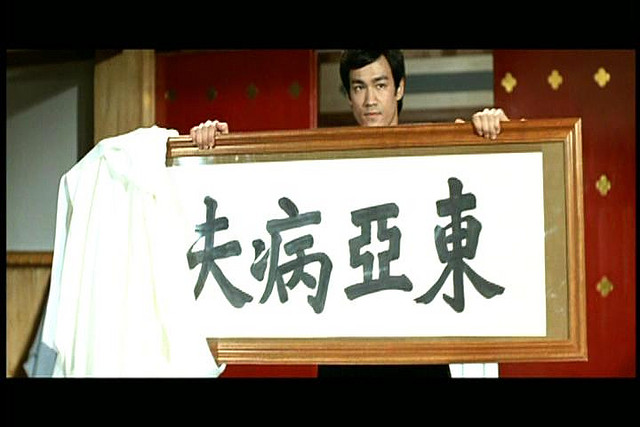
Introduction This post is the third and final installment of our short series reviewing Denis Gainty’ 2013 book Martial Arts and the Body Politic in Meiji Japan (Routledge). Readers new to this work may want to review... Continue Reading →

Introduction Welcome to “Chinese Martial Arts in the News.” This is a semi-regular feature here at Kung Fu Tea in which we review media stories that mention or affect the traditional fighting arts. In addition to discussing... Continue Reading →
 Kung Fu Tea
Recent Comments