
This post provides the conclusion to our biographical sketch of Qiu Jin, an important southern Chinese revolutionary, poet, writer, martial artist and terrorist. I think the best way to read these posts is to print them out and read... Continue Reading →
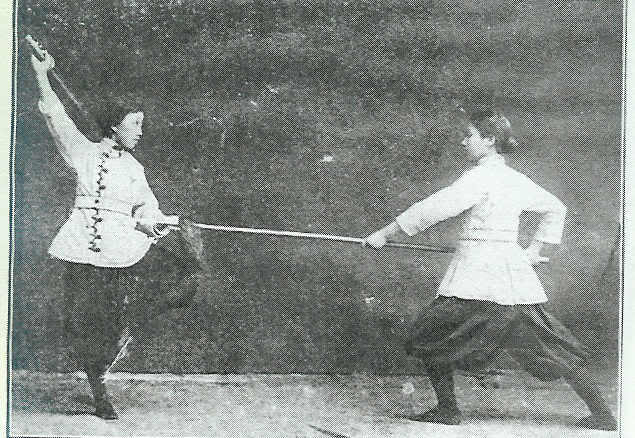
Anachronism and Misunderstanding in the Chinese Martial Arts This is the first post in a new occasional series here at “Kung Fu Tea.” These entries will provide brief biographies, and pose some thoughtful questions, about the lives of China’s... Continue Reading →

Stanley Henning: Yongchun, Baihe and Wing Chun Boxing In issue #38 (Vol. 2 No. 15) of Classical Fighting Arts Stanley Henning published a wide-ranging paper entitled “Thoughts on the Origins and Transmission to Okinawa of Yongchun Boxing.” (pp. 42-47). Henning... Continue Reading →

Defining Neijia Not knowing any better, one might think that there is a social hierarchy in the Chinese martial arts. In the world of popular (or folk) styles there are a variety of schools and approaches. Some of the most... Continue Reading →
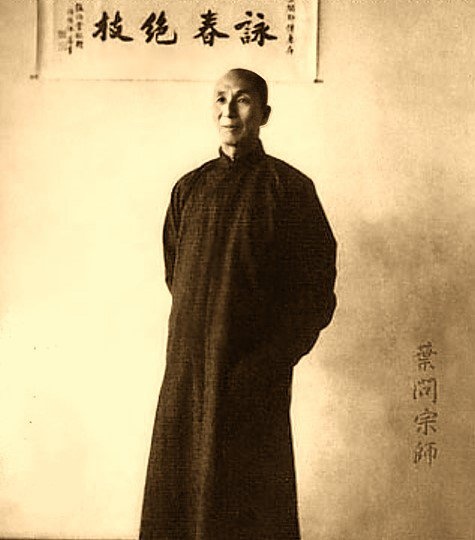
Many of the debates in the Wing Chun world today focus on the question of lineage. People want to know which expression of Wing Chun best captures its essential essence? Which is truly “authentic”? Often it is assumed that authenticity... Continue Reading →
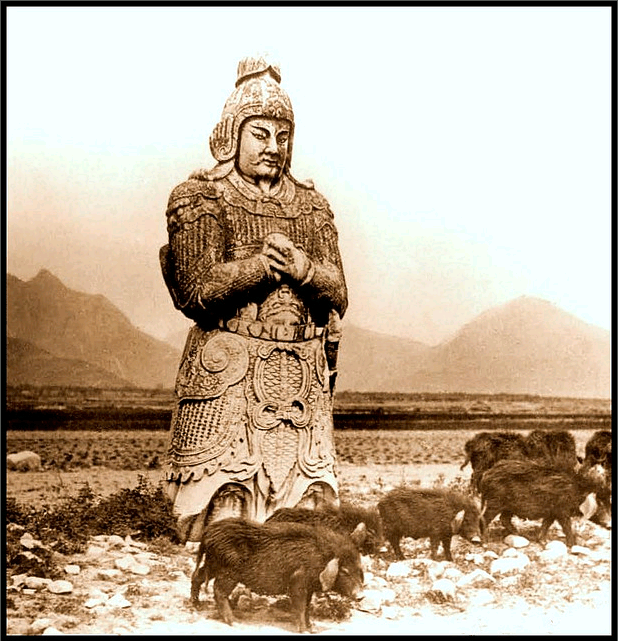
One of the most iconic images in the annals of Kung Fu training is that of the lone student, lost in the zen-like practice of his wooden dummy routine. Dummies of various sorts and sizes have a long history in... Continue Reading →
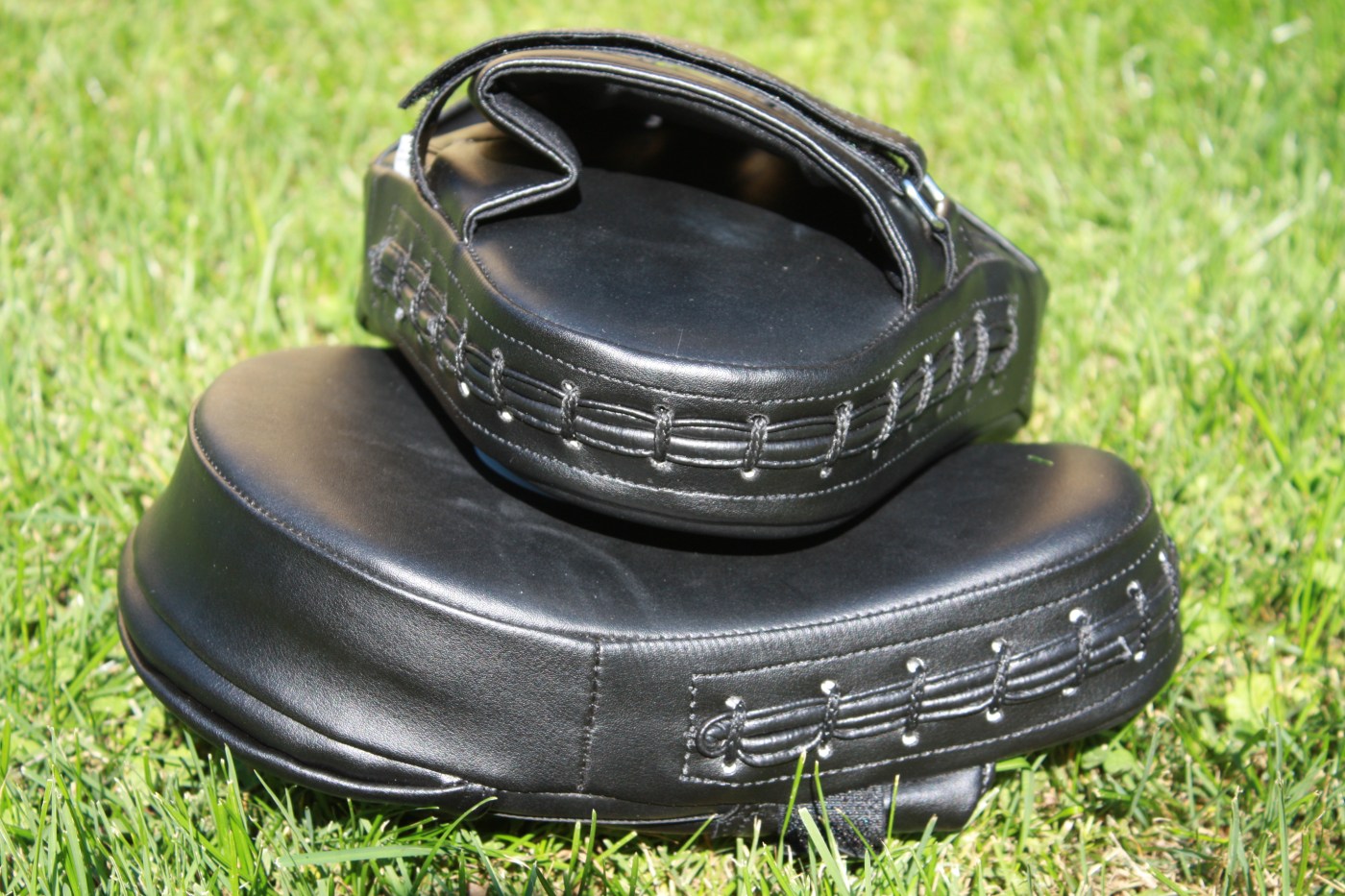
Defining Your Space In addition to researching the martial arts, I also practice Wing Chun (Ip Man/Ip Ching lineage for those who are interested). I recently started to teach a couple of people and things have been going well enough... Continue Reading →
We have an issue in the field of Chinese martial studies, and it tends to be more concentrated in the historical arguments. Our problem is “common sense.” It seems that in our discussions what “everyone says” quickly becomes “what no... Continue Reading →

Jingwu (sometimes romanized as Chinwoo) is one of the greatest movements to emerge in the modern (post-1850) history of the traditional Chinese martial arts. Casual observers will likely be aware of at least the broad outlines of the organization’s foundation... Continue Reading →
 Kung Fu Tea
Recent Comments