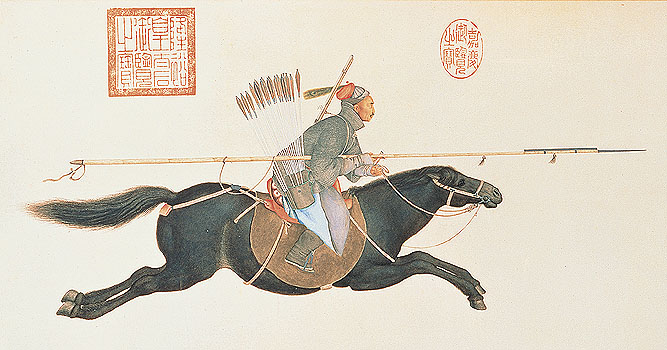
Introduction Happy Lunar New Years and welcome to the first post of the Year of the Horse! "Chinese Martial Arts in the News" is a semi-regular feature in which we review media stories that mention or impact the the... Continue Reading →

Introduction: Becoming Invulnerable in Southern Mantis Kung Fu The traditional Chinese martial arts are rich in animal symbolism. Tigers, dragons, cranes, snakes and monkeys are common fixtures in the legends and folklore of these systems. Some styles are imitative in... Continue Reading →
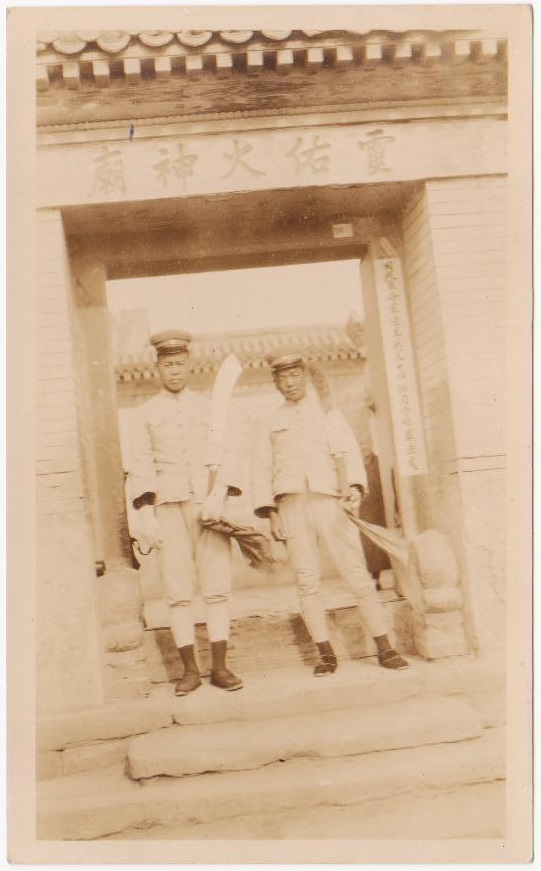
Introduction: Anti-Foreignism in Republican Guangdong Students of the traditional Chinese martial arts are frequently reminded that until very recently these systems were “closed” to outsiders. Then, in the wake of Bruce Lee, Kung Fu masters around the world decided... Continue Reading →

Introduction Welcome to our second annual discussion of the top webpages in Chinese martial studies. The purpose of this series is to acknowledge some of the individuals who have made great contributions to our understanding of the traditional martial arts... Continue Reading →
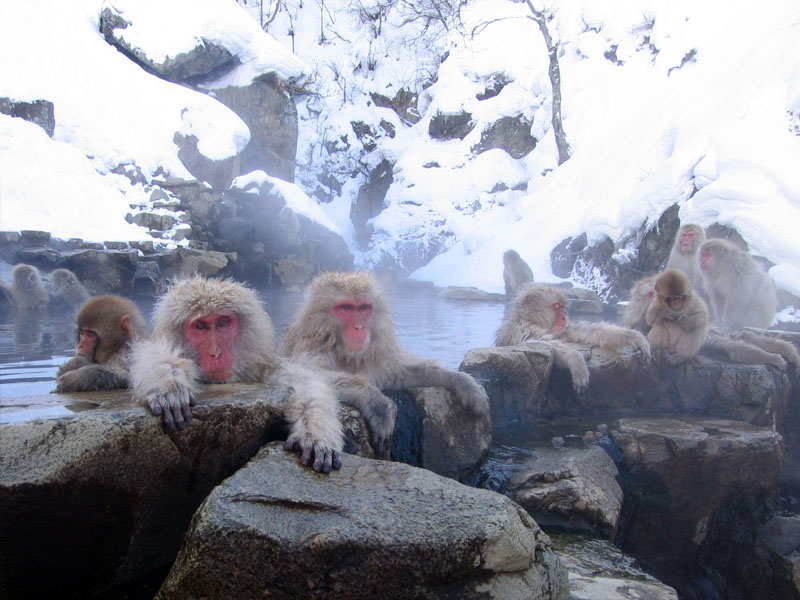
Introduction At first individuals like Sun Lutang, Chan Wah Shun, Mok Kwai Lan, Li Pei Xian and Cheung Lai Chuen would not seem to have much in common aside from their love of the martial arts. Collectively they hail both... Continue Reading →

The impact of the Boxer Uprising was truly global. The political context for the uprising was significantly influenced by national trends. But in the end, the Boxers were really a regional movement. With the exception of a few officially inspired... Continue Reading →

Introduction: Informants and the Problem of Reliability The study of the traditional martial arts has tended to rely rather heavily on interviews with “participant informants.” Cultivating relationships with informants and learning about their worldview consumes much of a... Continue Reading →

Introduction: Technology, Disruption and Education The current renaissance in the academic study of the martial could not have come at a better time. In fact, it is probably a powerful confluence of forces, both theoretical, political and technological that are... Continue Reading →

Introduction Earlier this week an unexpected story started to make the rounds of various internet news outlets. Prime Minister Xanana Gusmao of Timor Leste (East Timor) issued a proclamation banning the practice of Pencak Silat, an indigenous martial art that... Continue Reading →
 Kung Fu Tea
Recent Comments