Introduction At first individuals like Sun Lutang, Chan Wah Shun, Mok Kwai Lan, Li Pei Xian and Cheung Lai Chuen would not seem to have much in common aside from their love of the martial arts. Collectively they hail both... Continue Reading →

Introduction This is the third entry in my short series on the local opera traditions of southern China, particularly as they relate to the development of modern martial culture. The first essay addressed the persistent (but poorly understood) relationship between... Continue Reading →

The impact of the Boxer Uprising was truly global. The political context for the uprising was significantly influenced by national trends. But in the end, the Boxers were really a regional movement. With the exception of a few officially inspired... Continue Reading →
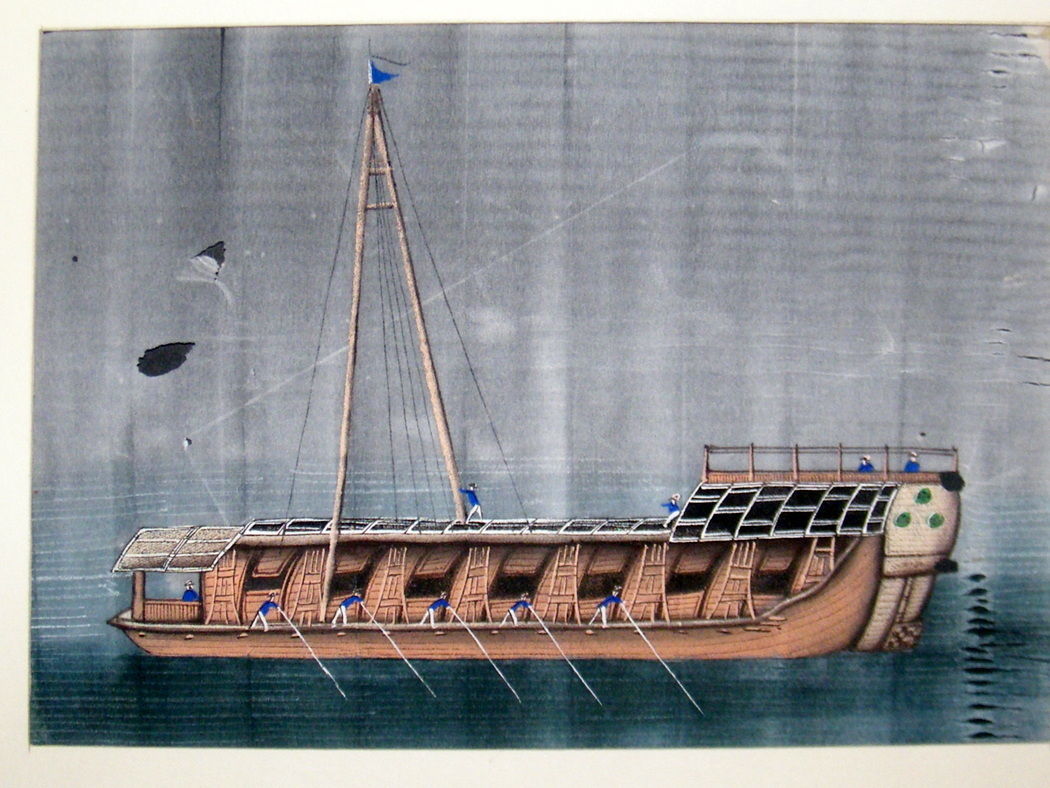
Introduction No subject has been more romanticized among students of Guangdong’s martial arts (and Wing Chun practitioners in particular) than the “Red Boat” companies of the Cantonese regional opera tradition. Late 19th and early 20th century martial arts folklore claimed... Continue Reading →

Introduction: Why do we study ephemera? In many respects the study of the history of the traditional martial arts is the study of Chinese popular culture. Sometimes we approach the subject from the perspective of political or military history, and... Continue Reading →

Introduction The first half of the 20th century was a time of rapid transformation for the traditional Chinese martial arts. Early in the era these fighting systems tended to be associated with practical pursuits such as military or militia training,... Continue Reading →
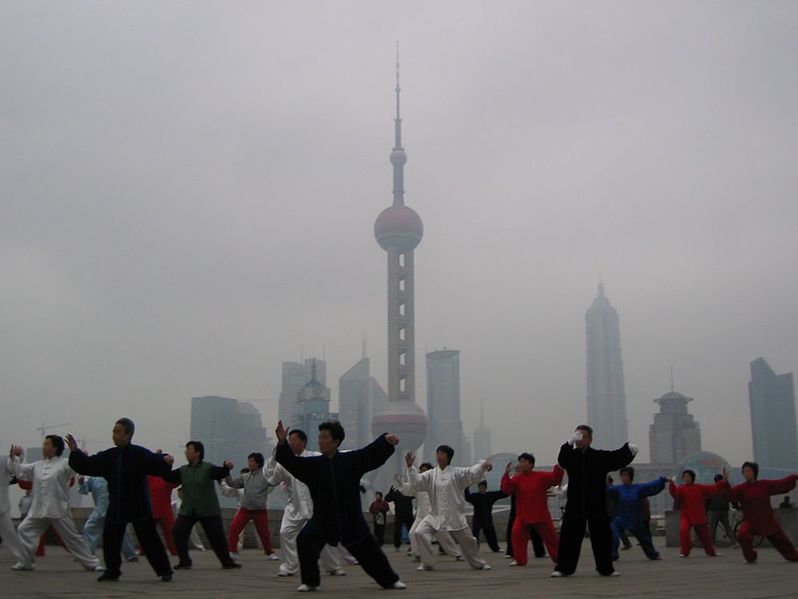
Introduction "Chinese Martial Arts in the News" is a semi-regular feature here at Kung Fu Tea. In these posts I attempt to round-up and briefly discuss the major stories affecting the world of the traditional Chinese fighting systems. I always... Continue Reading →

Introduction: Informants and the Problem of Reliability The study of the traditional martial arts has tended to rely rather heavily on interviews with “participant informants.” Cultivating relationships with informants and learning about their worldview consumes much of a... Continue Reading →
Lives of Chinese Martial Artists (10): Chen Shichao and Chen Gongzhe: Creating the Jingwu Revolution
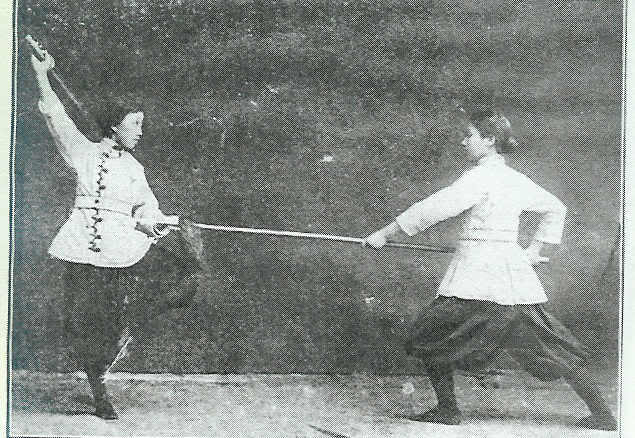
Introduction It is hard to think of any group or association that has had a greater effect on the emergence of the modern Chinese martial arts than the Jingwu Athletic Association. Founded in Shangahi in the closing years of... Continue Reading →
 Kung Fu Tea
Recent Comments